Average Issues: The Street Art Font for Bold Branding
In a digital landscape saturated with clean, minimalist sans-serifs and elegant serifs, finding a typeface that genuinely commands attention without feeling like a cliché is a challenge. This is where Average Issues steps in. It is not just another decorative font; it is a deliberate stylistic choice designed to inject raw energy, urban authenticity, and a distinct "street art" vibe into your visual communications. Whether you are designing merchandise, crafting a brand identity, or creating content that needs to cut through the noise, understanding the specific utility of this PUA-encoded display font can significantly elevate your design outcomes.
For professionals aged 20–50 who balance creativity with commercial viability, typography is often the bridge between a concept and its reception. Average Issues serves as a powerful tool on that bridge. Its characteristics suggest a font built for impact rather than prolonged reading, making it an ideal candidate for headlines, logos, and graphic-heavy designs where personality is paramount.
Decoding the Aesthetic: What Makes Average Issues Unique?
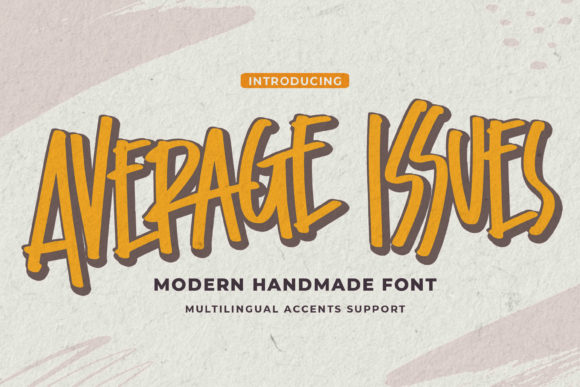
To appreciate the value of Average Issues, one must first look at its visual DNA. The font embodies the spirit of street art—gritty, expressive, and unapologetically bold. Unlike traditional display fonts that might feel polished to the point of sterility, Average Issues retains a certain roughness that feels human-made and authentic. This aesthetic is particularly effective in contexts where trust, edge, and modernity are desired attributes.
The font’s structure allows it to stand out in crowded environments. When placed on a t-shirt, within a logo, or across a digital advertisement, it immediately signals a departure from corporate blandness. It speaks to a culture that values individuality and creative expression. For designers working in fashion, sports, or youth-oriented marketing, this alignment with current cultural aesthetics is invaluable.
Furthermore, the technical implementation of Average Issues offers a significant advantage for workflow efficiency. It is PUA encoded. For those unfamiliar with the term, PUA stands for Private Use Area. In practical terms, this means that every glyph, swash, and alternate character is mapped directly to a specific key or combination of keys on your keyboard. There is no need to fumble through endless character maps or copy-paste symbols from a separate palette. You type, and the unique design element appears. This direct access streamlines the creative process, allowing for rapid iteration and experimentation.
Key Characteristics and Strengths
- Urban Authenticity: The design language mirrors graffiti and stencil art, providing an instant connection to street culture.
- High Impact Visibility: The bold strokes and distinctive shapes ensure readability even at small sizes or from a distance, crucial for signage and apparel.
- Efficient Workflow: PUA encoding eliminates the friction of accessing special characters, saving time during the design phase.
- Versatile Swashes: The inclusion of swashes adds flair and customization options, allowing designers to tweak the tone of a message without changing the base font.
Practical Applications Across Industries
The versatility of Average Issues lies in its ability to adapt to various mediums while maintaining its core identity. Let’s explore how different professionals can leverage this font in real-world scenarios.
Fashion and Sportswear Design
In the competitive world of apparel, graphics are often the primary selling point. A t-shirt design using Average Issues can instantly communicate a brand's attitude. For sportswear brands aiming to tap into the "athleisure" trend, the font’s rugged yet modern look complements athletic imagery perfectly. It works exceptionally well for team names, event slogans, and limited-edition drops where exclusivity and hype are part of the marketing strategy. The PUA encoding allows designers to quickly mix standard text with decorative elements, creating complex layouts without slowing down production.
Branding and Logo Creation
For startups, freelancers, and small business owners, establishing a memorable brand identity is critical. Average Issues is suitable for logo design, particularly for businesses in the creative industries, such as music studios, tattoo parlors, skate shops, or craft breweries. These sectors thrive on non-conformity, and the font’s street art vibe aligns naturally with their values. However, it is important to note that due to its decorative nature, it should be used sparingly in branding—primarily for logotypes and headers, rather than body copy.
Digital Advertising and Social Media
In the fast-scrolling world of social media, static images need to grab attention within milliseconds. Advertisements for concerts, festivals, or product launches benefit greatly from the high-contrast, energetic feel of Average Issues. When used in banner ads or Instagram stories, the font helps convey urgency and excitement. Marketers can use the swashes to highlight key offers or dates, drawing the eye to the most important information. The font’s ability to stand out against busy backgrounds makes it a strong contender for retargeting campaigns and promotional graphics.
Educational and Creative Projects
Educators and content creators are also finding new ways to use display fonts. For workshops on graphic design, typography, or urban culture, Average Issues serves as both a tool and a subject of study. Bloggers and publishers focusing on lifestyle, travel, or arts can use it for pull quotes or section headers to break up text and add visual interest. It helps maintain reader engagement by varying the typographic rhythm of an article.
Strategic Considerations for Implementation
While Average Issues is a powerful asset, its effectiveness depends on thoughtful application. As an experienced designer would advise, context is king. Here are some practical considerations to keep in mind when integrating this font into your projects.
- Pairing Strategies: Because Average Issues is visually heavy, it pairs best with simple, neutral typefaces for body text. A clean sans-serif or a classic serif can provide the necessary contrast, ensuring that the detailed message remains readable while the headline captures attention. Avoid pairing it with other decorative fonts, as this can create visual chaos.
- Readability Limits: Due to its stylized nature, Average Issues is not suitable for long-form paragraphs. Reserve it for titles, subtitles, labels, and short phrases. Overusing it can lead to user fatigue and reduced comprehension.
- Color and Background: The font’s street art aesthetic shines when colors are bold and backgrounds are relatively simple. High-contrast combinations, such as black text on white or neon colors on dark backgrounds, enhance its visibility and impact. Ensure sufficient contrast ratios to meet accessibility standards, especially for digital applications.
- Licensing and Usage Rights: Always verify the licensing terms before using Average Issues in commercial products. While PUA encoding offers technical convenience, legal clarity ensures that your designs do not infringe on intellectual property rights. This is particularly important for entrepreneurs and business owners who plan to sell items featuring the font.
Enhancing User Experience Through Typography
Good design is not just about aesthetics; it is about communication. By choosing Average Issues for appropriate elements, you guide the user’s eye and reinforce the emotional tone of your content. In branding, consistency in typographic choices builds recognition. In advertising, strategic use of impactful fonts increases click-through rates by making calls to action more compelling. The efficiency gained from PUA encoding further enhances productivity, allowing teams to focus on strategy and creativity rather than technical hurdles.
Ultimately, Average Issues is more than a font; it is a statement. It represents a willingness to embrace imperfection, to celebrate urban culture, and to communicate with confidence. For designers, marketers, and creators looking to add a layer of authenticity and edge to their work, it provides a robust, easy-to-use solution that delivers immediate visual results. By understanding its strengths and applying it with strategic intent, you can transform ordinary designs into memorable experiences.
Whether you are launching a new clothing line, rebranding a local business, or simply adding personality to your next blog post, Average Issues offers a unique opportunity to stand out. Its blend of artistic flair and technical ease makes it a valuable addition to any designer’s toolkit. Embrace the vibe, utilize the features, and let your designs speak with the bold voice that Average Issues provides.